
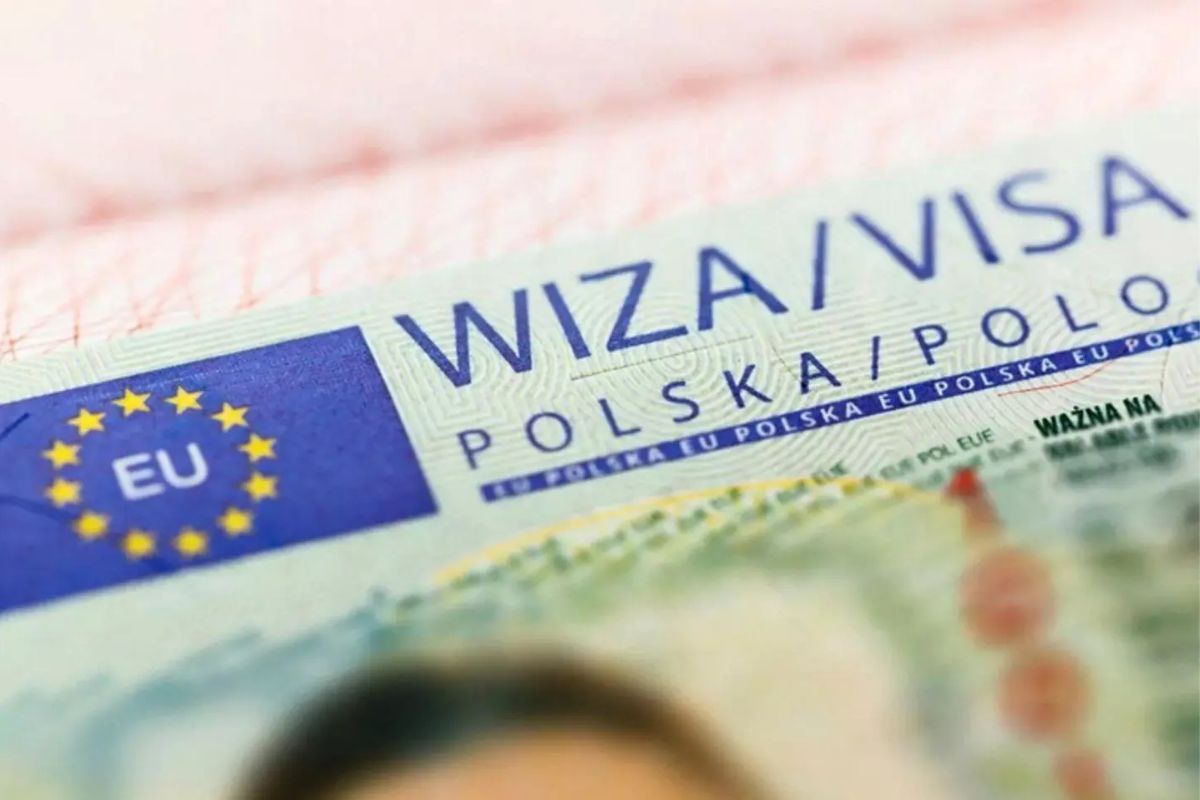
Poland is rapidly emerging as one of Europe's top destinations for international professionals seeking affordable living, strong job opportunities, and career growth. The Poland work permit allows skilled individuals to legally work and build a stable future in a growing European economy.
With increasing demand for foreign workers, the Polish work permit is becoming a preferred choice for professionals looking for global exposure and long-term opportunities.
Why Work in Poland?
Poland offers a perfect combination of career opportunities and affordable living. The Polish work permit provides access to industries like manufacturing, IT, logistics, and healthcare, where demand for skilled workers is consistently rising.
Professionals applying under the Poland employment visa benefit from a safe environment, a growing economy, and improving work conditions. The Polish work permit also gives access to the European work culture, making it easier for international professionals to adapt and grow.
Benefits of Poland Work Permit
The Poland work permit offers several advantages for international professionals.
With a Polish work permit, individuals can work legally in Poland with competitive wages and stable employment. The Poland employment visa also allows access to social benefits, healthcare, and job security.
Applicants under the Polish work permit can explore long-term opportunities, including pathways to residency. The Poland employment visa makes it easier to gain international experience and build a strong career foundation in Europe.
Types of Poland Work Permits
Understanding the different types of Polish work permit options is essential before applying.
The most common types include:
- Type A Work Permit (standard employment)
- Type B (board-level roles)
- Type C & D (intra-company transfers)
- Seasonal Work Permit
Each Polish work permit type is designed for specific job roles and employment structures. Applicants applying under the Polish employment visa should carefully select the right type to improve approval chances.
Poland Job Market Trends 2026
Poland's job market is evolving quickly, making the Polish work permit highly valuable for skilled professionals.
In-Demand Sectors in Poland
| Industry | Key Roles | Demand Level | Growth Trend |
|---|---|---|---|
| Manufacturing | Machine Operators, Technicians | Very High | Rapid Growth |
| IT & Software | Developers, Testers | High | Expanding Fast |
| Logistics | Warehouse, Supply Chain | High | Stable Growth |
| Healthcare | Nurses, Caregivers | High | Consistent |
| Construction | Engineers, Laborers | High | Increasing |
The Polish work permit becomes easier to secure when applying in high-demand sectors. Applicants under the Polish employment visa should align their profiles with these industries for better success.
Top Jobs in Poland for Indians
The Polish work permit is increasingly popular among Indian professionals due to demand across multiple industries.
| Job Role | Industry |
|---|---|
| Software Developer | IT |
| Warehouse Worker | Logistics |
| Construction Worker | Construction |
| Nurse | Healthcare |
| Machine Operator | Manufacturing |
These roles are widely available under the Polish employment visa, increasing the chances of approval for skilled applicants.
Average Salary Range in Poland
The Polish work permit offers competitive salaries while maintaining a relatively low cost of living.
| Job Role | Average Salary (PLN/month) |
|---|---|
| Software Engineer | 10,000 – 18,000 |
| Warehouse Worker | 4,000 – 7,000 |
| Construction Worker | 5,000 – 8,000 |
| Nurse | 6,000 – 10,000 |
| Machine Operator | 4,500 – 7,500 |
These figures make the Polish work permit a practical and rewarding option for professionals.
Poland Work Permit Requirements
To apply for a Polish work permit, applicants must meet specific eligibility criteria.
Key requirements include:
- Valid job offer from a Polish employer
- Relevant qualifications and experience
- Valid passport
- Proof of accommodation
- Medical insurance
The Polish employment visa process ensures that applicants meet all legal and professional standards. Proper documentation is essential for a successful Poland work permit application.
Documents Required
Proper documentation plays a critical role in securing a Polish work permit.
Required documents include:
- Valid passport
- Job contract
- Educational certificates
- Work experience proof
- Medical insurance
- Visa application form
The Polish employment visa process requires all documents to be accurate and verifiable. A complete application significantly improves your chances of a Poland work permit approval.
Step-by-Step Application Process
The Polish work permit application process involves structured steps:
- Secure a job offer
- Employer applies for a work permit
- Apply for a visa
- Submit documents
- Wait for approval
The Polish employment visa process must be followed carefully. Each step in the Poland work permit journey is crucial for success.
Processing Time
The processing time for a Polish work permit usually ranges from 4 to 8 weeks, depending on employer approval and document verification. Applications under the Polish employment visa may take longer if additional checks are required.
Applicants should ensure all documents are accurate before applying. A well-prepared Poland work permit application reduces delays and improves approval speed under the Poland employment visa process.
Cost of Living in Poland
Poland offers a relatively affordable lifestyle compared to other European countries. Individuals applying for a Polish work permit can manage expenses like rent, food, and transportation more easily than in Western Europe.
Professionals under the Polish employment visa can save money while maintaining a good quality of life. The Polish work permit provides an excellent balance between income and living costs.
Can You Bring Your Family to Poland?
The Poland work permit allows eligible professionals to bring their family members under dependent visas.
Applicants under the Polish employment visa can sponsor spouses and children after meeting certain conditions. The Polish work permit makes relocation easier by supporting family integration into the new environment.
Pathway to Permanent Residency – Long-Term Vision
The Poland work permit provides a pathway to long-term settlement in Europe. After working legally for a few years, individuals under the Polish employment visa may become eligible for permanent residency.
Maintaining continuous employment and following immigration rules is essential. The Polish work permit serves as a strong foundation for building a stable future in Poland.
Common Mistakes That Lead to Visa Rejection
Many applicants fail to secure a Polish work permit due to avoidable errors.
Common mistakes include incomplete documentation, incorrect job details, and weak financial proof. Applicants under the Polish employment visa should ensure all requirements are met.
A properly prepared Polish work permit application significantly increases success rates.
Why Choose Wider World Immigration?
Securing a Polish work permit requires a clear understanding of eligibility, accurate documentation, and proper coordination with employers. Wider World Immigration simplifies this process by providing structured and reliable support tailored to each applicant's profile, ensuring a smooth and transparent experience from start to finish.
The team assists with profile evaluation, complete documentation preparation, and application filing and tracking, along with job assistance and employer connections to strengthen your work visa prospects. Every step is handled with precision to reduce delays and improve overall application quality.
Recognized as one of the leading study and immigration consultants in Delhi for 2025 (associated with Ashneer Grover), Wider World Immigration brings strong industry credibility and a proven track record of securing multiple visa approvals across countries, helping applicants move forward with confidence.
Poland has a strong demand for international workers in sectors like manufacturing, logistics, construction, warehouse operations, hospitality, healthcare, and information technology across multiple cities.
In most cases, IELTS is not mandatory for a Polish employment visa. However, basic English communication skills may still be important depending on the employer and job profile.
Working in Poland offers access to European work exposure, competitive salaries, affordable living costs, career growth opportunities, and the chance to explore other Schengen countries.
Yes, eligible foreign workers may apply for dependent or family reunification options, allowing spouses and children to stay together in Poland under applicable immigration guidelines.